
Presented as part of the Sarajevo Theatre Showcase
Can you ever grieve a loss so profound that makes the rest of your life a mere shadow of what it was once before? Does the pain of losing multiple loved ones ever go away or does it transform into a new way of living, making it into a type of symbiosis with the unconscious, which protects itself by simply closing off? How can you ever keep on after experiencing so much death around you?
Based on a text by Doruntina Basha and directed by Andrej Nosov, immersive audio-dramatic play „They Are All Gone, a coproduction of the Serbian company Heartefact and Sarajevo War Theatre, tells a story of Sadika, an old woman left alone in the aftermath of genocide in Srebrenica, one of the biggest tragedies in the modern times which in 1995. left more than 8000 men and boys dead or missing.
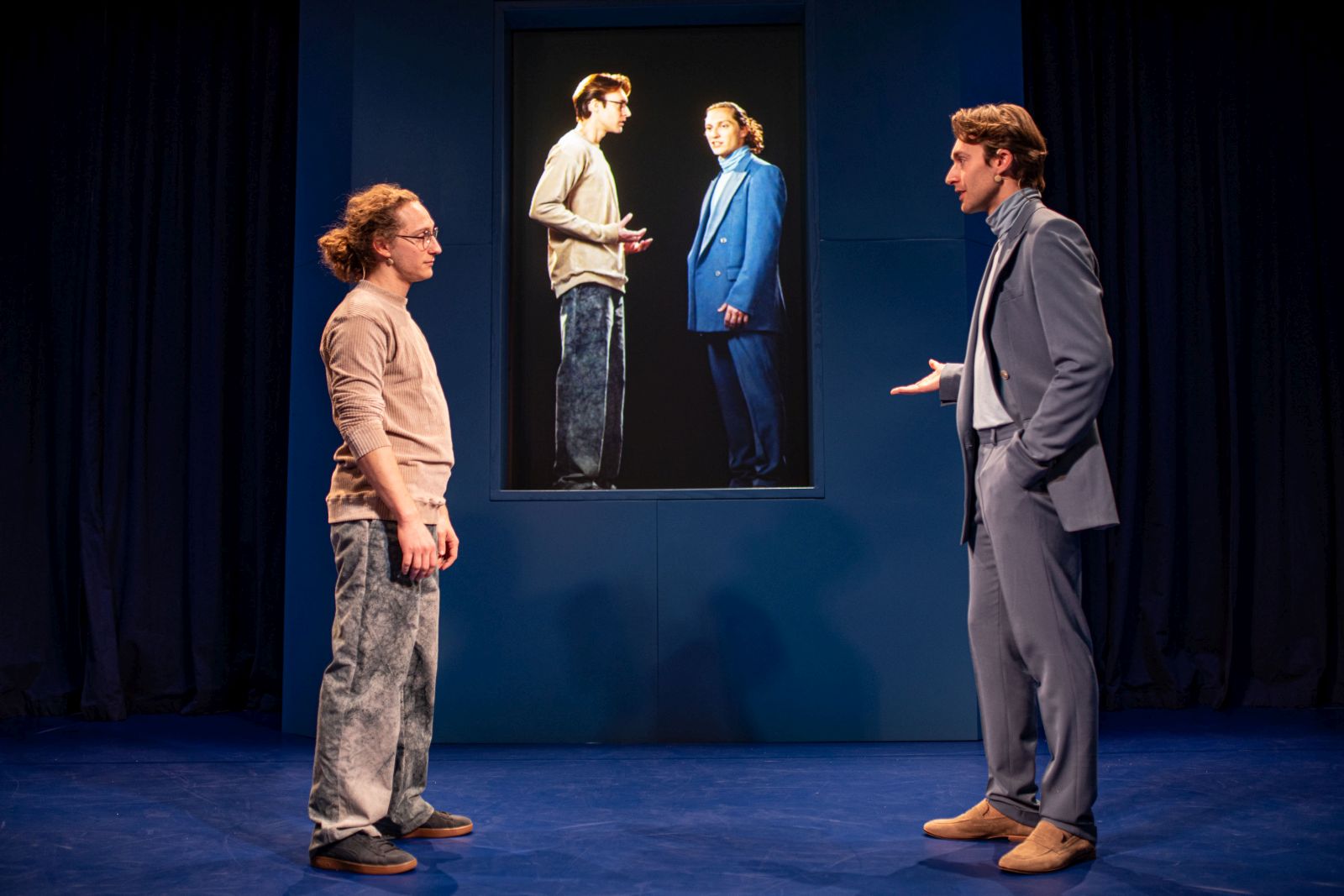
When the audience steps into the theatre, they are given headphones and instructed not to take them off for the duration of the whole play. I cannot remember the last time (or any, actually) when I’ve watched an entire play with headphones. Focusing first on auditive and then on the visual, the perception of seeing a live performance starts to change, leaving space for many different stimuli. On the stage we see three actors: Mirjana Karanović as Sadika, Svetozar Cvetković as her husband Azem and Alban Ukaj as her caretaker Martin.
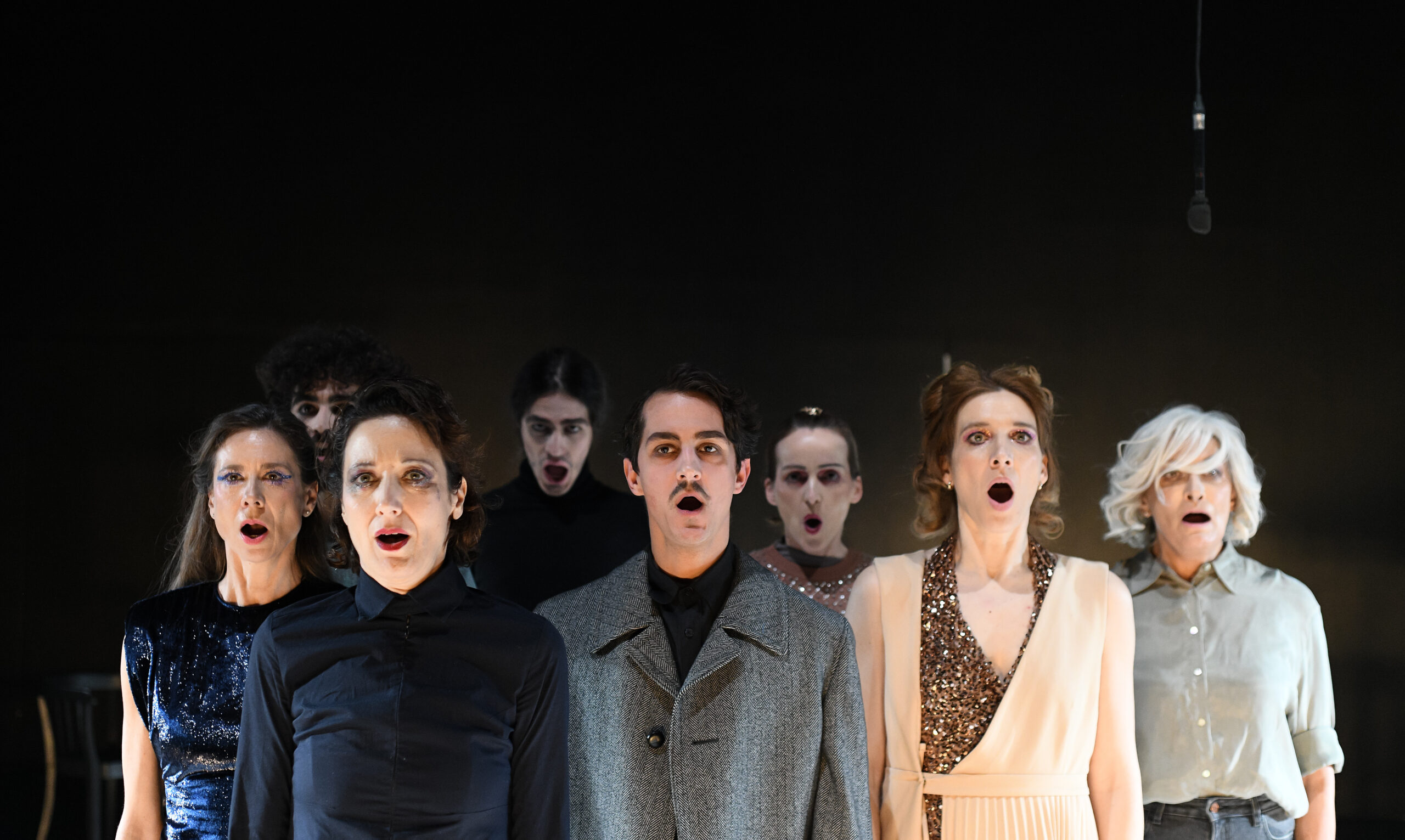
It’s the day of Sadika’s birthday and she and her husband Azem are waiting for their children and grandchildren to arrive for a celebration. Karanović and Cvetković portray a gentle and nurturing couple, two halves of one, making Sadika’s loss even greater. “We grew old together,” they tell each other at the beginning of the play, and it breaks the audience’s hearts when realization hits: Azem is long gone, so are their sons, and Sadika is only imagining it all. That’s where the immersive element of the headphones really starts to happen: we can hear the voices of 10 actresses and actors playing out the dialogue which only happens when Sadika is alone. In a different reality, she would’ve been surrounded with her whole family. And it is not just the voices of those who are deceased that we are, there are grandchildren and spouses too, people who never even existed, never had the chance to exist, and the audience gets to hear all of them conversing with her as if they are right there in the room with her – except that they aren’t.
Getting completely immersed in the world of the play, in the voices of actors, in Sadika’s every single little movement and breath via the headphones, was a truly special theatrical experience. Not only does this type of theatrical method erases the line between the audience and the events on stage, but it also delves into psychological sphere of the protagonist and her story, a woman who, in the wider sense, is an archetypal representative of every wife, mother and grandmother who lost their families to the war.
Mirjana Karanović, an established name in regional theatre and film, demonstrates another level of her impressive acting range here while basically standing by herself and acting alongside non-existent people on stage, simply relying on an earpiece. In her delivery, Sadika’s pain isn’t just one woman’s pain, it’s everyone’s. All the mothers of Srebrenica are comprised in her and she is in all of them. She also brilliantly portrays Sadika’s constant fear that her family won’t make it to her birthday celebration. This fear isn’t just a figment of her imagination: she keeps waiting on them even though deep down she knows none of them are ever coming back.
The caregiver Martin, played with stoicism but kindness by Alban Ukaj, shows concern for Sadika when he catches her taking her medication with a spoonful of dirt from a pot of flowers, mixed in with water. When Sadika is drinking dirt, it is her way of connecting to her lost and loved ones, to her husband and sons whose bones now lay somewhere in the unknown soil. Even though he tries to stop her from this act which harms her health, Sadika continues on with it. The soil she is stubbornly drinking in a way transforms her into Mother Earth, the same one cradling her dead sons and husband, the one both weeping and laughing when in her mind they reconnect once again.
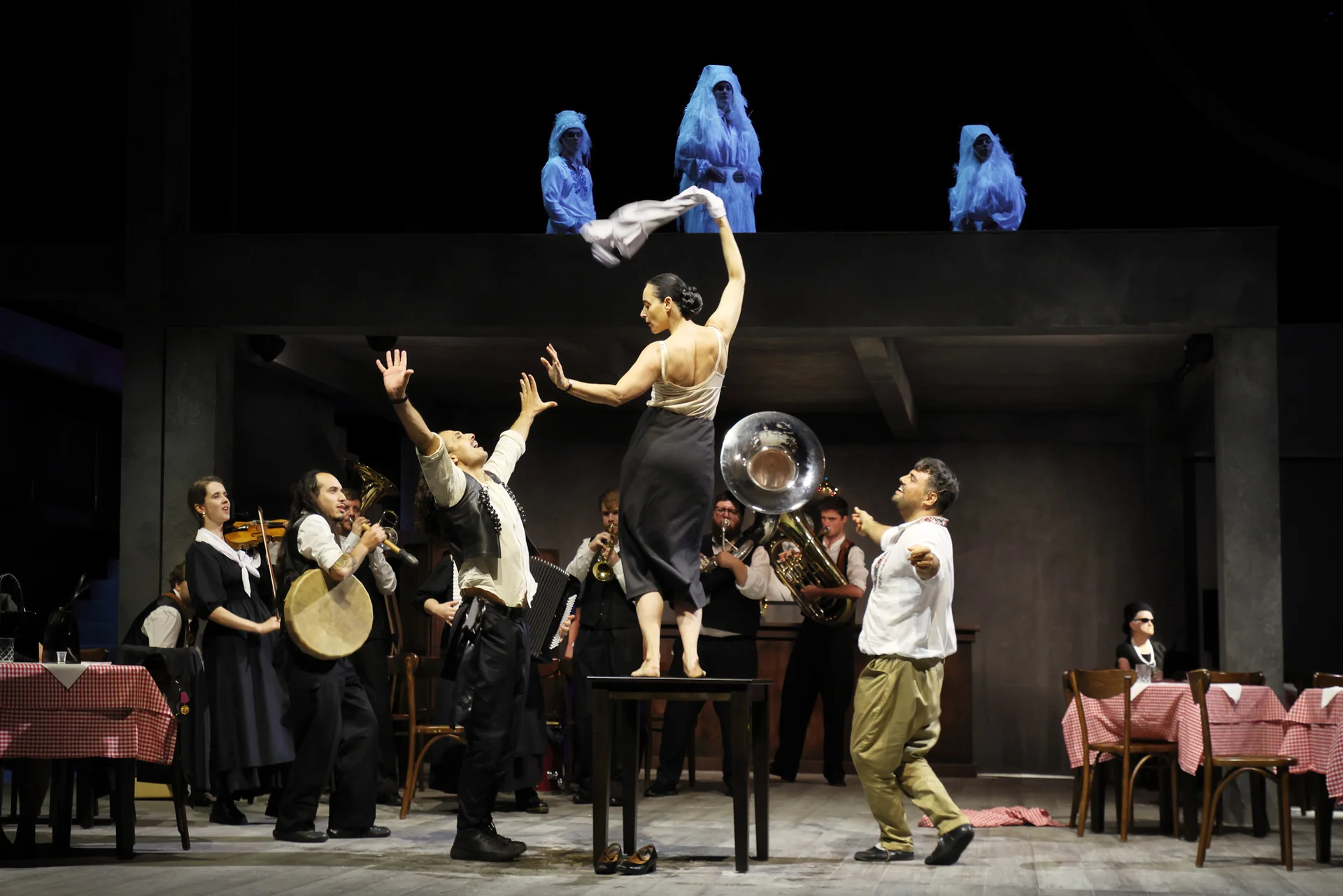
Nosov’s direction centres trauma and ways of surviving it, always circling back whenever the audience gets lulled by Sadika’s family members who are painfully not present, but somehow so incredibly close in the audio. The set design by Zorana Petrov creates an interior that could fit in anywhere, from an average apartment of two older people to a room in a nursing home, while costumes by Selena Orb are both simple and subtle. Music also plays a very important role in the play, particularly one song which is presumably Sadika’s favourite: But I Still Remember, by Hanka Paldum. Sometimes sung by her family members in her imagining, and sometimes playing in the background, Paldum’s song captures the essence of Sadika: she still remembers, and she cannot forget, not ever, because a loss this deep leaves an irreversible trace.
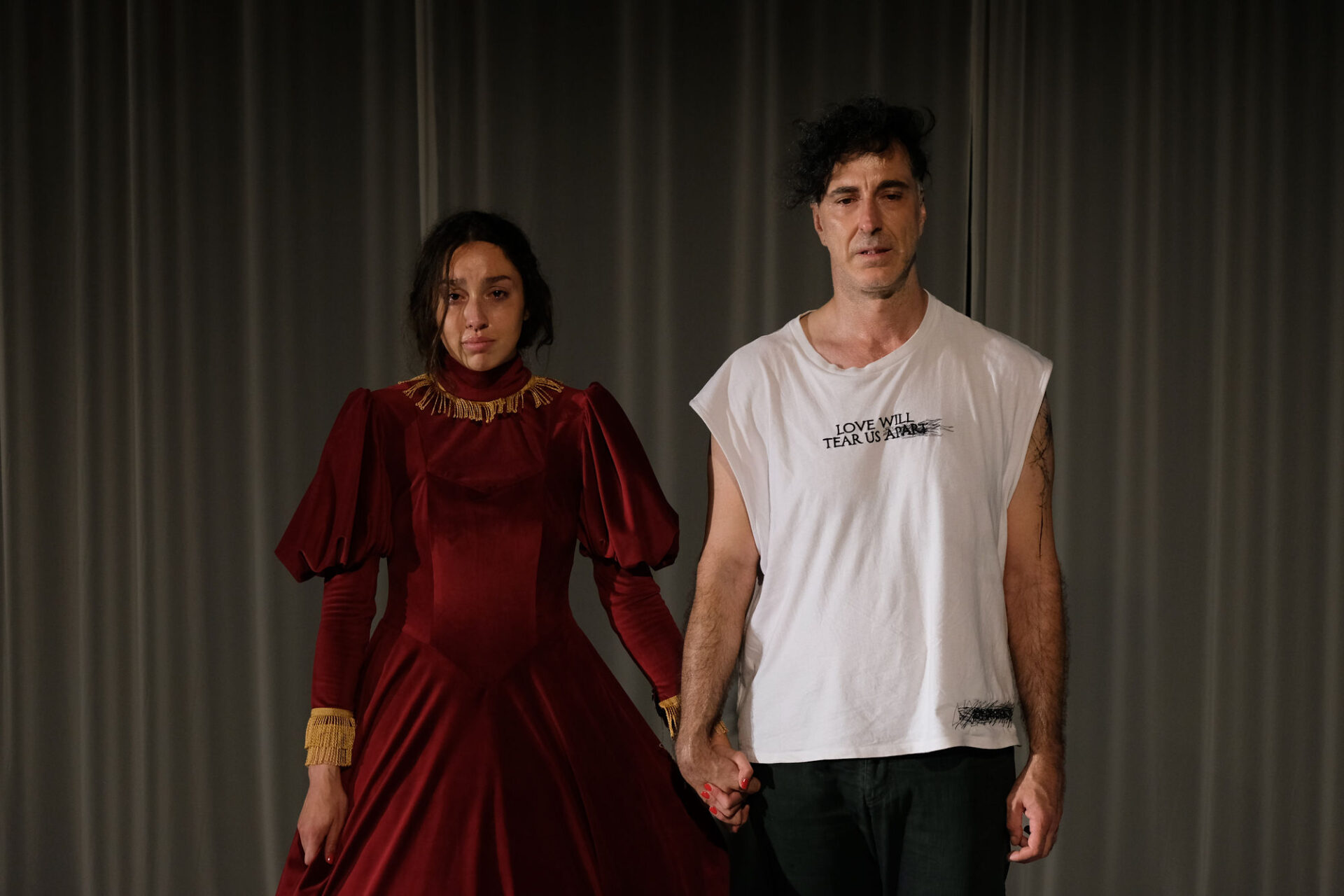
But Sadika knows, deep down she knows they are all gone, and by the end of the play she tells Martin that she is aware of that. This is just her way of coping. It is her way of honouring them all. Forever lost, buried in the deep in the earth, Sadika’s family still lives on – even if it’s just in her mind. Directed in a gentle way and with a meticulous attention to detail, They Are All Gone is a hauntingly beautiful, deeply traumatic and intricately intertwined, immersive piece about loss, coping mechanisms, human consciousness and its limits. Or, perhaps, its limitlessness.
Credits:
Author: Doruntina Basha//Director: Andrej Nosov
Cast: Mirjana Karanović, Svetozar Cvetković. Alban Ukaj
Producer: Heartefact, SARTR, My Balkans
For more information, visit: Heartefact.org

Martina Marinković graduated Comparative Literature from the Faculty of Humanities and
Social Sciences. She is a literary critic, essayist and active contributor for several Croatian
cultural websites, including Kritika-HDP, Booksa.hr and Lupiga. She is also head of Booksa's
BookClub and lives in Zagreb.