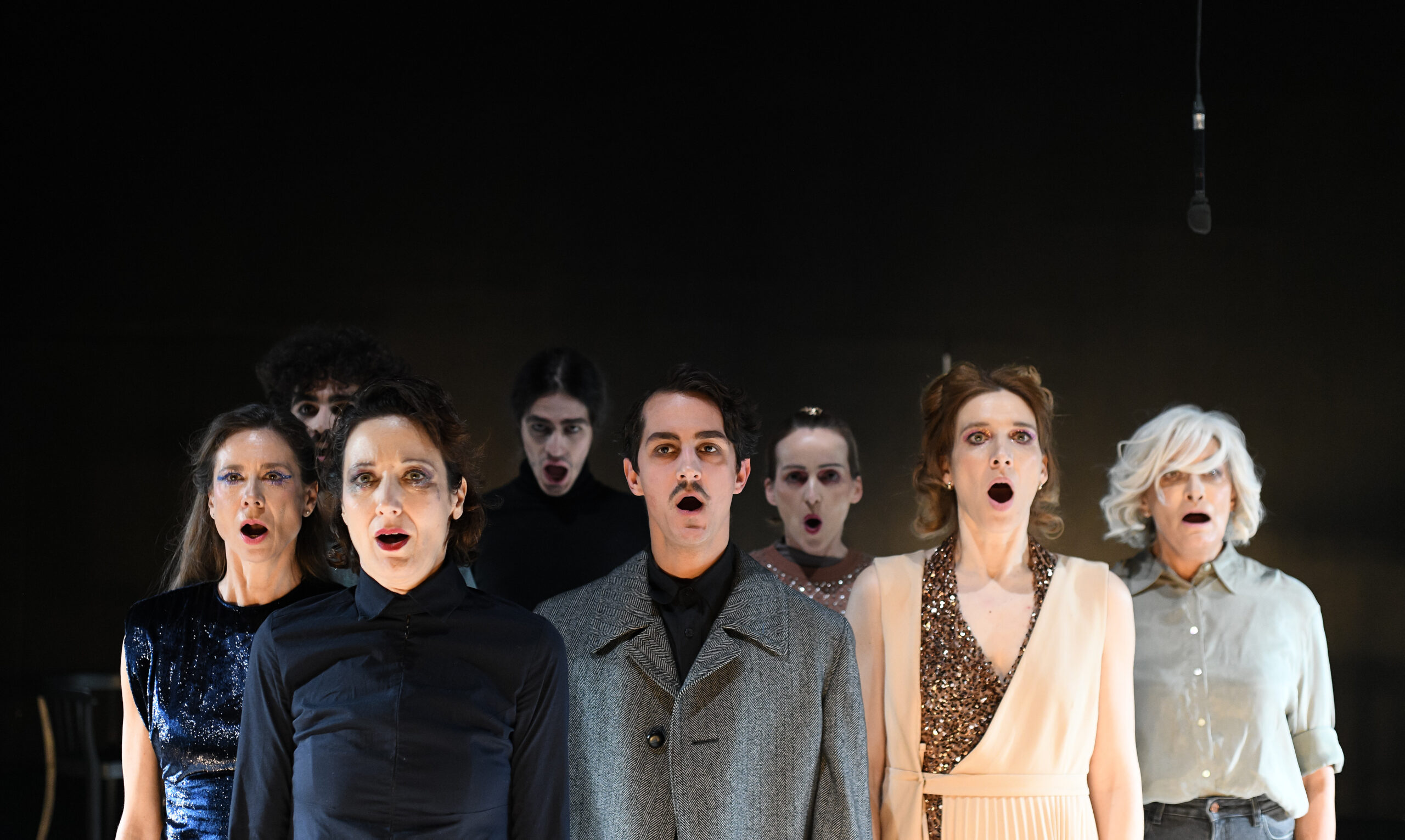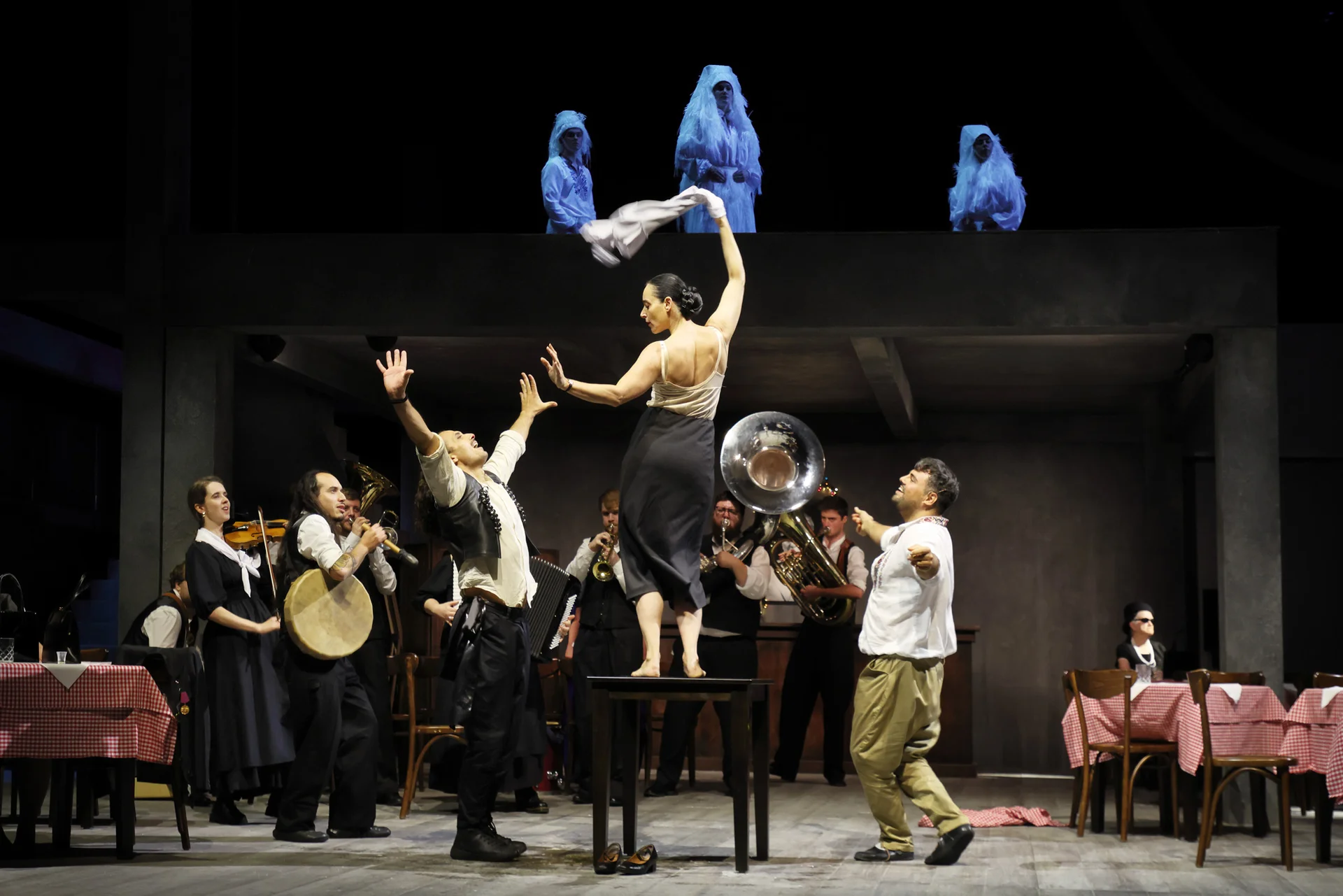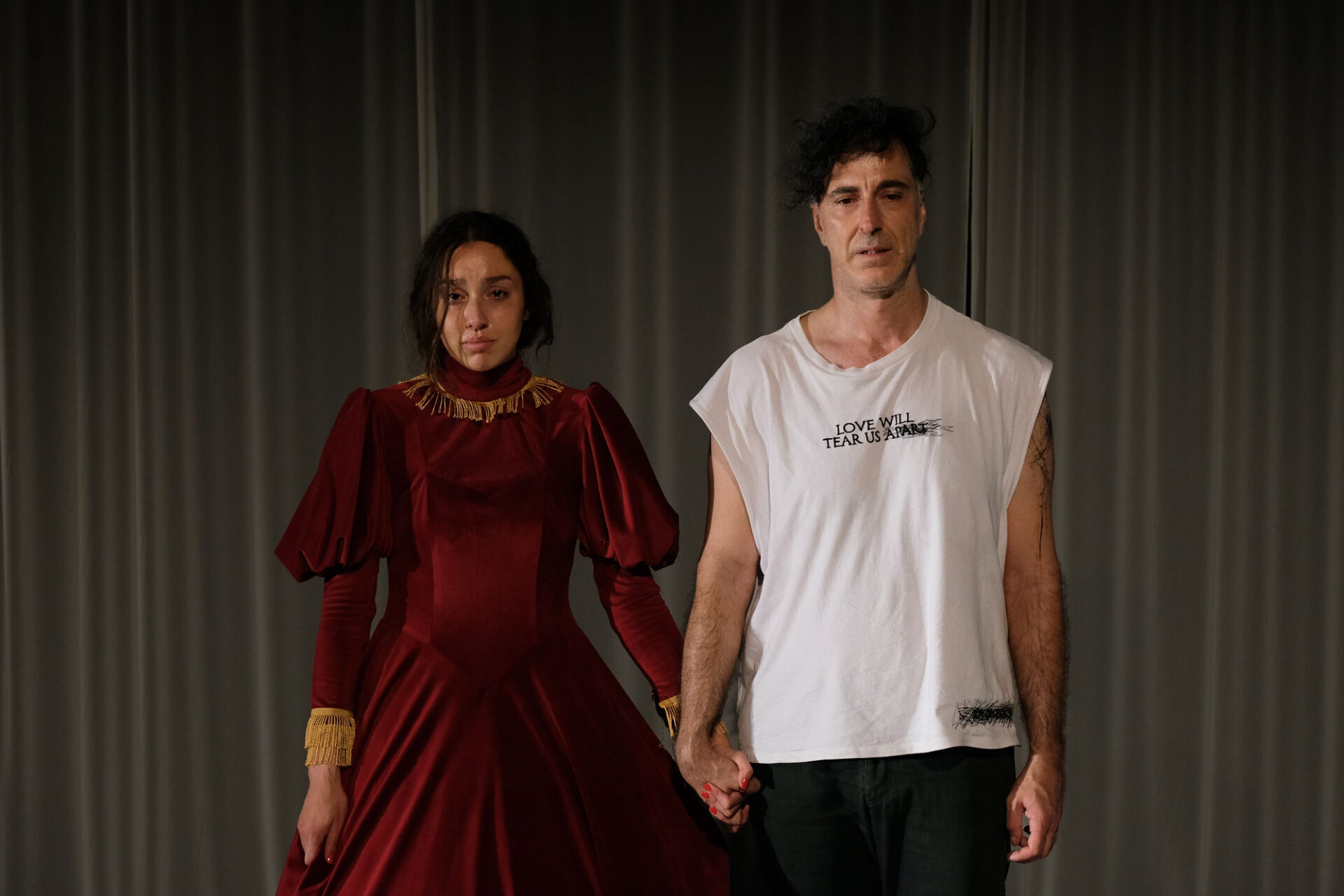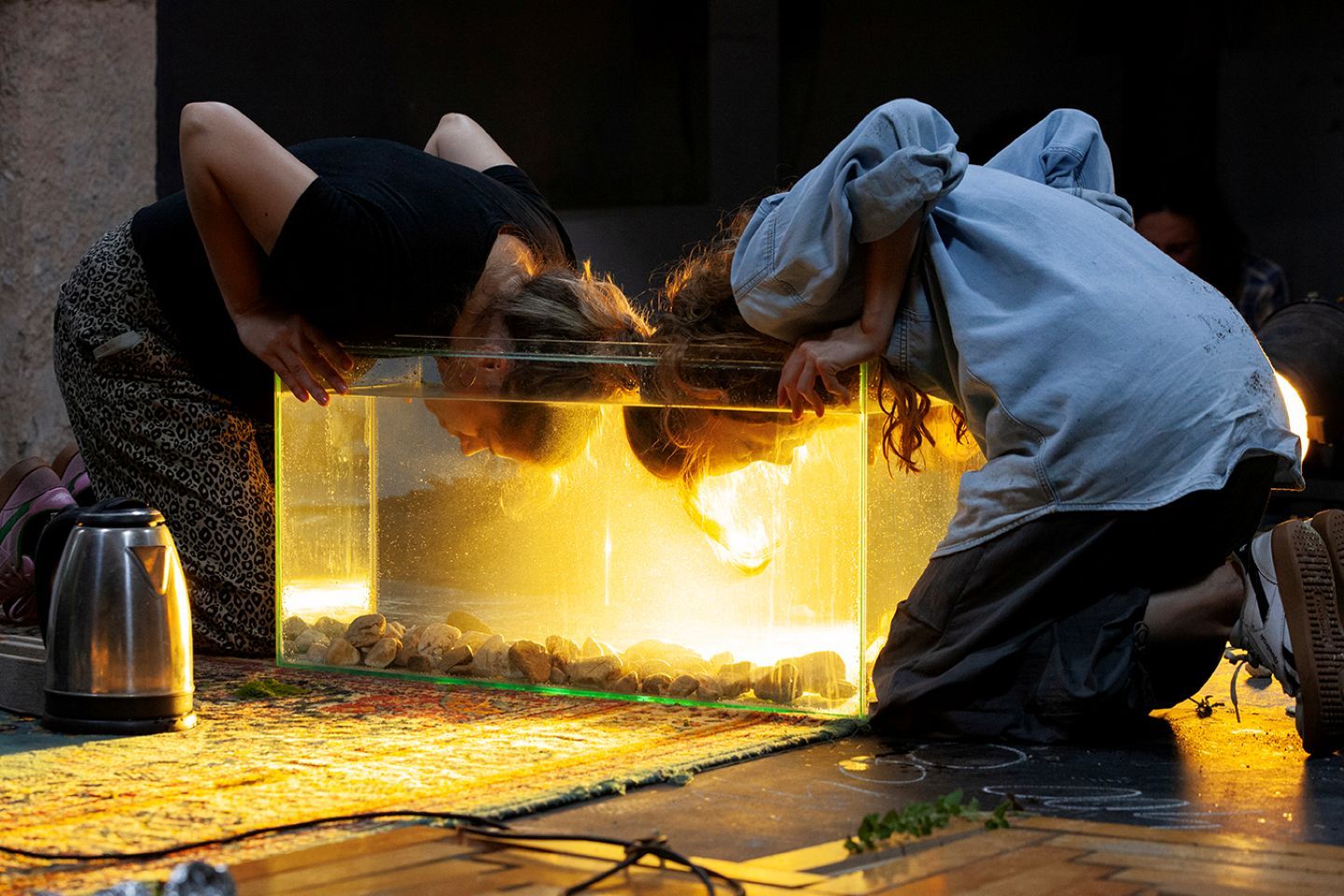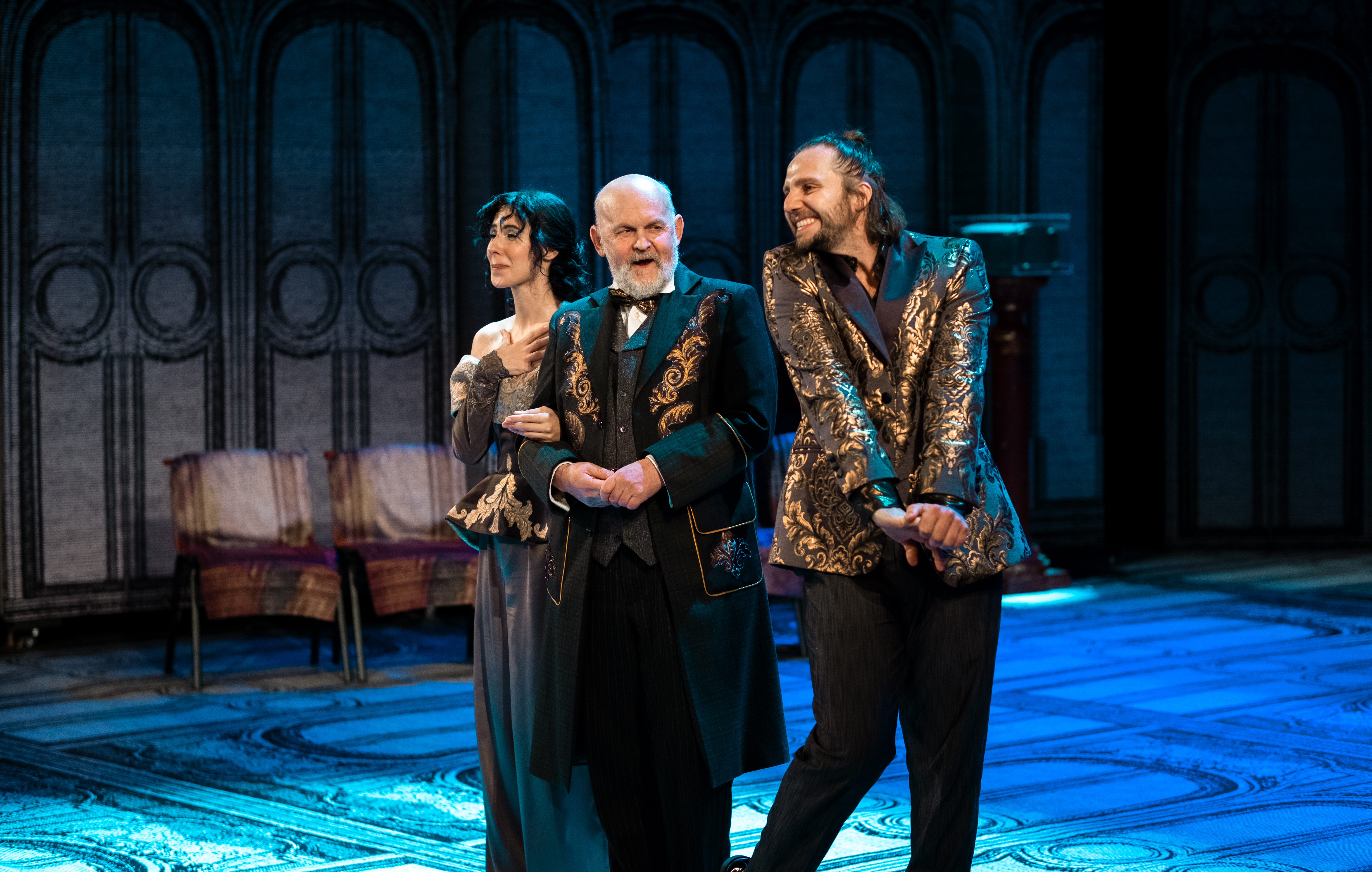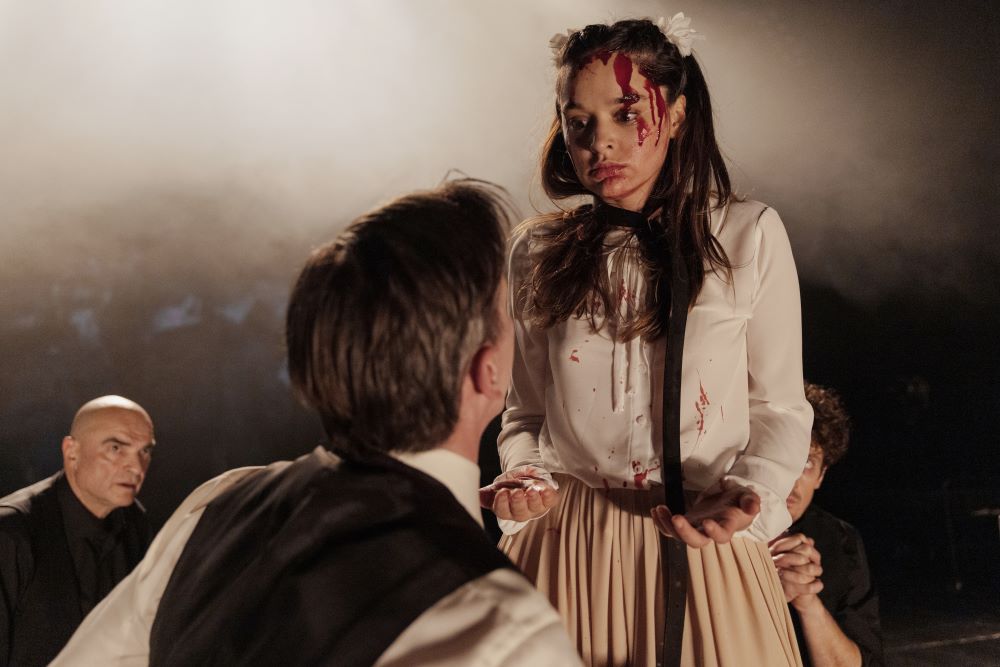
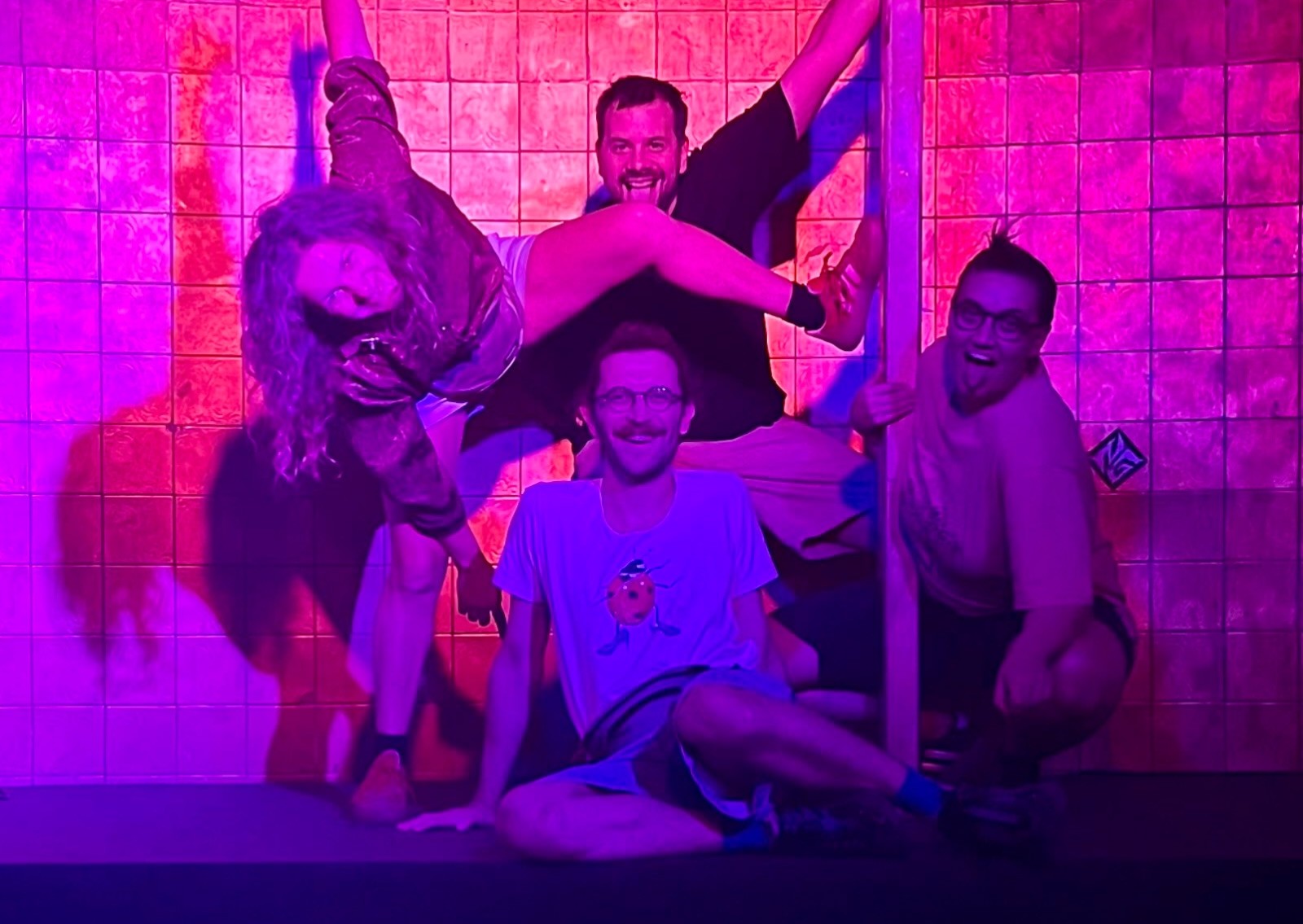
On 20 September, Serbia’s theatre community came together to mark 60 years of the Belgrade International Theatre Festival (Bitef) with ne:Bitef, a ‘guerrilla-style’ event spanning the city. Miomir Milosavac reports on the day’s activities.
Following last year’s successful first ne:Bitef event, created by a self-organised initiative of cultural workers from Belgrade in response to the censorship and cancellation of the 59th Bitef Festival, ne:Bitef returned this year with a different concept. The event was spread across 60 micro-stages at 34 locations throughout the city, each dedicated to people and collectives that have left their mark on the festival. The audience could choose their own route through the festival, with a variety of programmes on offer: artist talks, performances, exhibitions, walks through the city and all kinds of workshops.
The eclecticism of the micro-stages did an excellent job of presenting the festival’s rich history. Some of the micro-stages featured eminent guests such as Dragan Živadinov, Thomas Ostermeier, Milo Rau and Tjaša Črnigoj, among many others. There were also micro-stages dedicated to significant dramatic classics such as Eugène Ionesco and Samuel Beckett, as well as contemporary writers and directors such as Ivana Sajko and Alexander Zeldin. Other micro-stages focused on directors such as Peter Brook, Jerzy Grotowski, Tadeusz Kantor, Oliver Frljić, Borut Šeparović, and many others; collectives such as The Living Theatre and Odin Teatret; as well as choreographers and dancers such as Lindsay Kemp and Pina Bausch, and influential composers such as Meredith Monk and John Cage.
It wasn’t possible to visit all of the micro-stages, as the entire festival lasted six hours, but the experience felt like embarking on a quest, with audience members carrying maps of all the micro-stages. It was an opportunity to meet friends and acquaintances from the theatre world, as well as to get to know new people. I only saw a fraction of what was on offer but what follows are the three performances that left the strongest impression on me.
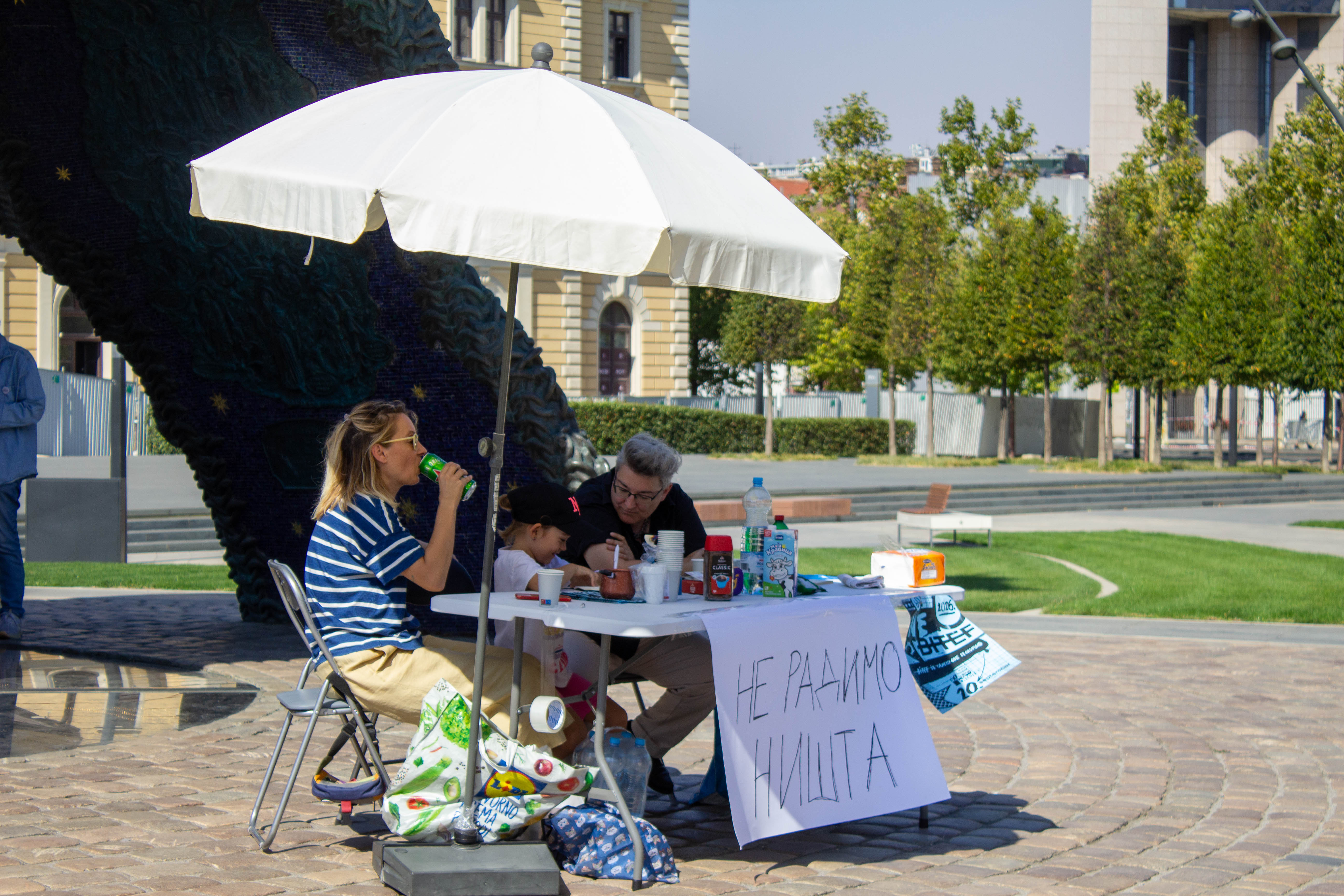
Olga Dimitrijević and Maja Pelević. Photo: Ivona Despotovic
The Bitef public has grown accustomed to Olga Dimitrijević and Maja Pelević reappearing at the festival with unusual things to offer – whether souvenirs from North Korea or pancakes. This time the duo decided to do nothing. Even though they were “doing nothing”, apart from occasionally making coffee and pancakes for their audience, the location in which they were situated was of extreme importance for the performance itself. The location in question is the monument to Stefan Nemanja, the founder of the medieval Serbian state, which was unveiled at the Sava Square in 2021.
The monument itself has been a subject of controversy, as its exact cost has never been revealed, although it is estimated to have exceeded one billion dinars. The unveiling of the monument was accompanied by a political campaign by the ruling party, and was therefore widely regarded as a populist gesture rather than something of genuine significance for Serbian culture. In the context of funding for contemporary art in Serbia, it could be argued that the artists chose this location as a paradigmatic example of authorities’ attitude towards culture: on the one hand, enormous amounts of money are allocated to monuments and art that serve the narratives through which the government maintains its power; on the other, artists who maintain a critical stance are punished by not receiving funding, which, in turn, leaves them, in a sense, with nothing to do.
In a similar absurdist fashion, but taking a different approach, playwright Mina Milošević held a funeral for the cancelled production of her play Lysistrata: Sex and Strike at the Cvijeta Zuzorić Art Pavilion. The play was supposed to premiere at the Bitef Theatre this season, but it was cancelled after the newly appointed director decided that the play was “too feminist” and called it off. Mina created a colourful micro-stage inspired by Eugène Ionesco, blending rituals associated with funerals in Serbia with the rituals of a slumber party. The audience could light candles for the soul of the deceased performance, receive Communion, play board games, and even get a tarot reading by Mina using special tarot cards featuring drawings by Ionesco. They could also get their own copy of the collective zine featuring playwrights from Serbia, A Collection of (Probably) Unread Plays. Through its connection to Ionesco and the Theatre of the Absurd, this event managed to highlight just how absurd the current situation in Serbian theatres has become, as they face a historical crisis caused by political interference in their management.
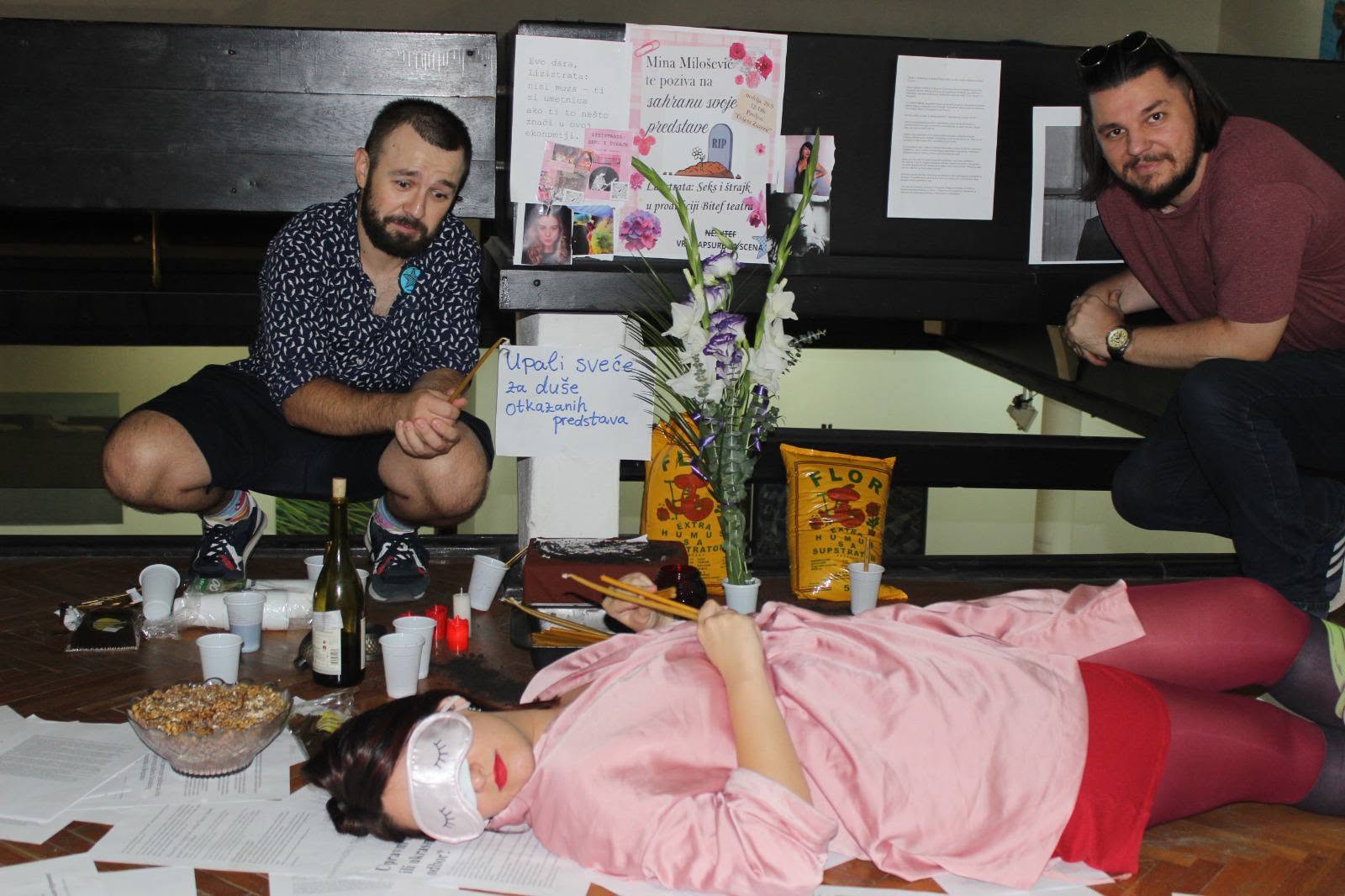
Mina Milošević lays her play to rest
Ne:Bitef this year also highlighted emerging cultural spaces that may not be the first places that come to mind when thinking about Belgrade’s independent theatre scene. One of them is Guvernanta Bar on Balkanska Street, an alternative space known for concerts, parties and drag shows, and considered one of the quintessential queer spaces in Belgrade.
Serbian dancer and choreographer Miloš Janjić created his micro-stage as an homage to Dejan Pajović, Milan Delčić Delča and Roman Vityuk, artists who brought queer sensibilities to the Bitef Festival in the early 1990s. Janjić wore a variety of costumes reminiscent of these artists. Some of the clothes he used came from performances he had previously taken part in, some from his own wardrobe, while others had even been rescued from theatre dumpsters. At Guvernanta, audiences could also see Milica Ivić and Igor Koruga’s performance dedicated to Lindsay Kemp, one of the pioneers of dance theatre and a queer icon.
The 2nd edition of ne:Bitef demonstrated the strength of the theatre community to organize itself and say no (ne) to censorship, intimidation and the appointment of people to leadership positions based on political affiliation. At a time when many believe that the original festival has been captured by the state, ne:Bitef preserves the values of the original festival and brings them closer to newer generations, while reminding long-time audiences of what they are fighting to preserve.
Further reading: The international community resists the state capture of BITEF
Miomir Milosavac is a dramaturgy student at the Academy of Arts in Novi Sad. His work focuses on playwriting, as well as writing on theatre. His work has been published inScena, Theatre Arts Review. He is also a co-founder of InterTribina, an online platform focused on writing about art and culture from the perspective of young authors.