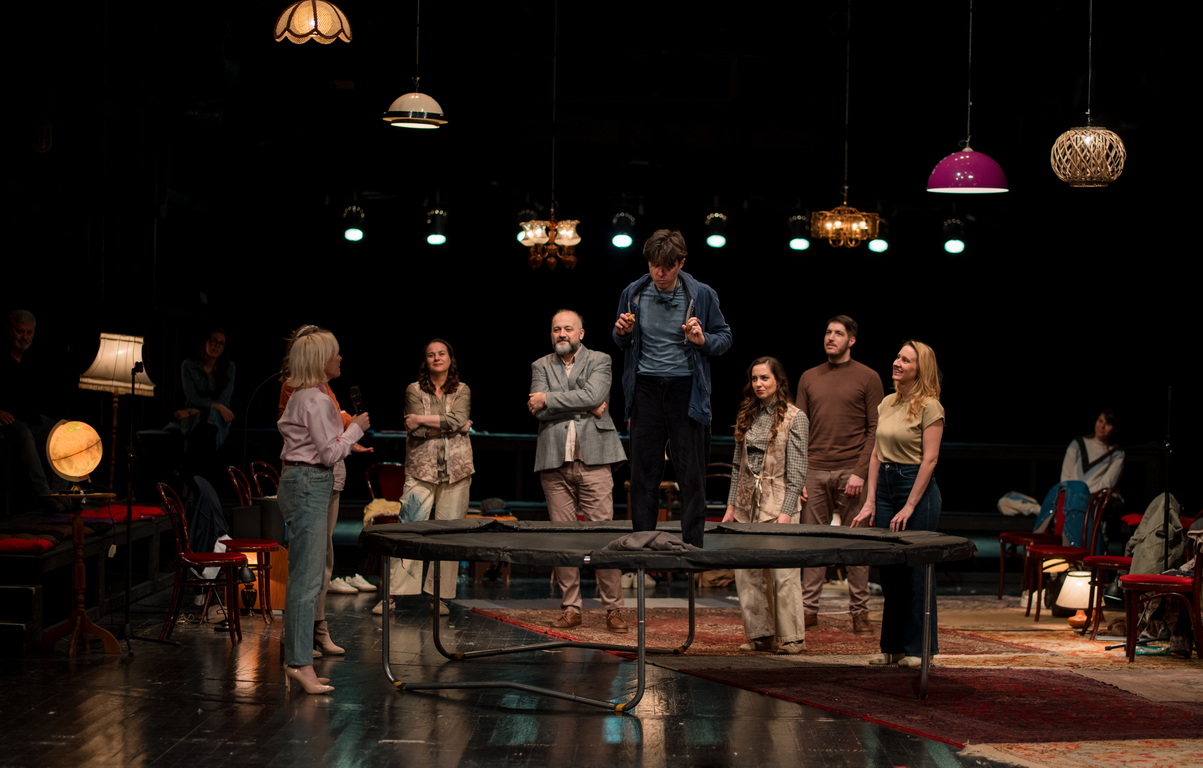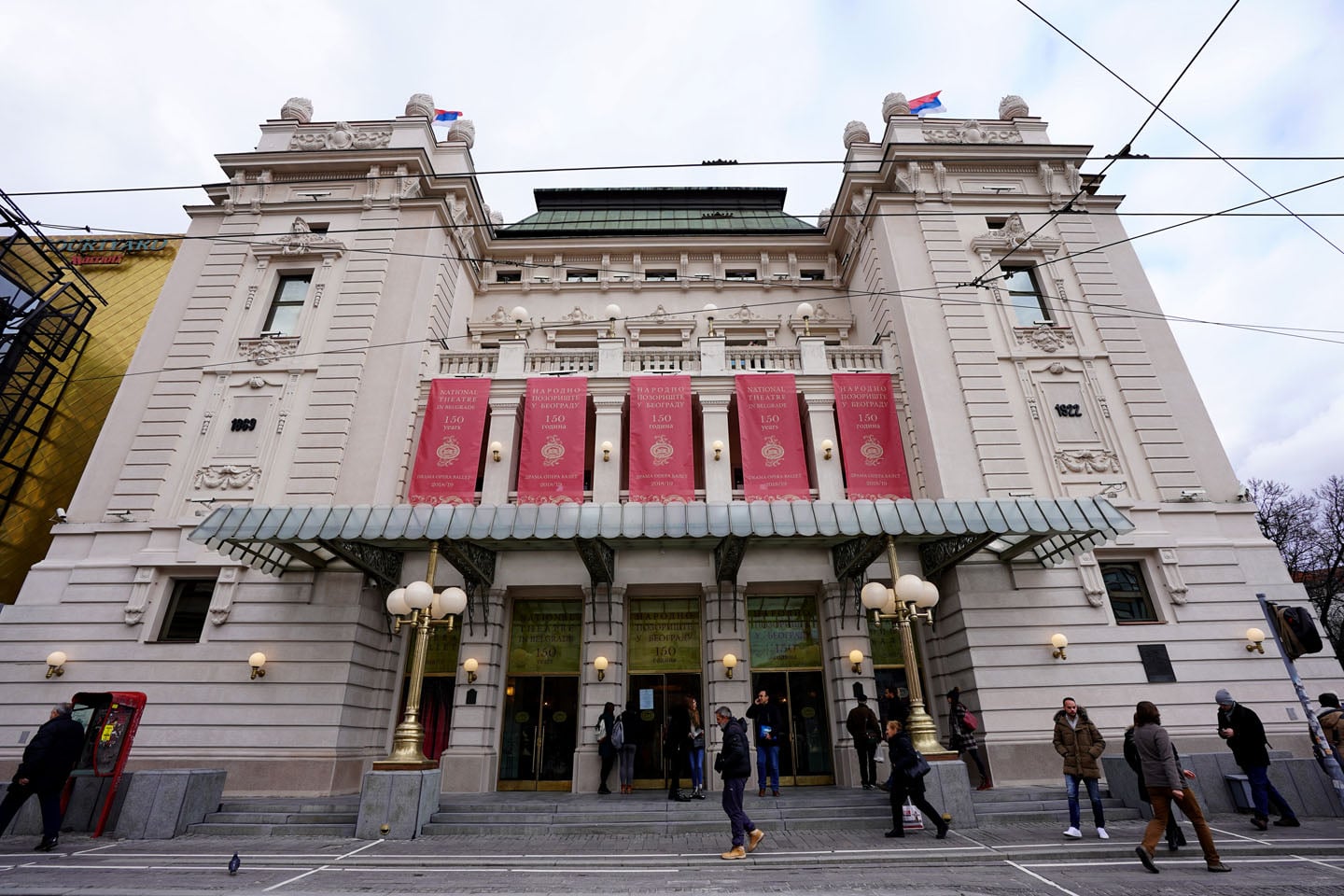
Following pressure placed on the organisers by football fan groups, the 25th Festival of Contemporary Bosnian-Herzegovinian Drama in Zenica has been postponed. Berina Musa reports on the controversy, cancellations and accusations of censorship that led up to this decision.
For a quarter of a century, the Festival of Contemporary Bosnian-Herzegovinian Drama has served as the country’s most impactful platform dedicated to new dramatic writing. Held annually at the National Theatre Zenica, the festival is not simply a showcase of productions. Since its establishment in 2002, the festival has become the place where theatre-makers, critics and spectators gather to take stock of the state of Bosnian-Herzegovinian theatre. And so, over the years, it has built a reputation as a forum for artistic freedom, critical debate, and engagement with pressing sociocultural issues. This year, however, the festival became the scene of a different kind of drama.
The written word came perilously close to being censored—not by state authorities, budget cuts, or political parties, but by local football fans or that is to say: hooligans.
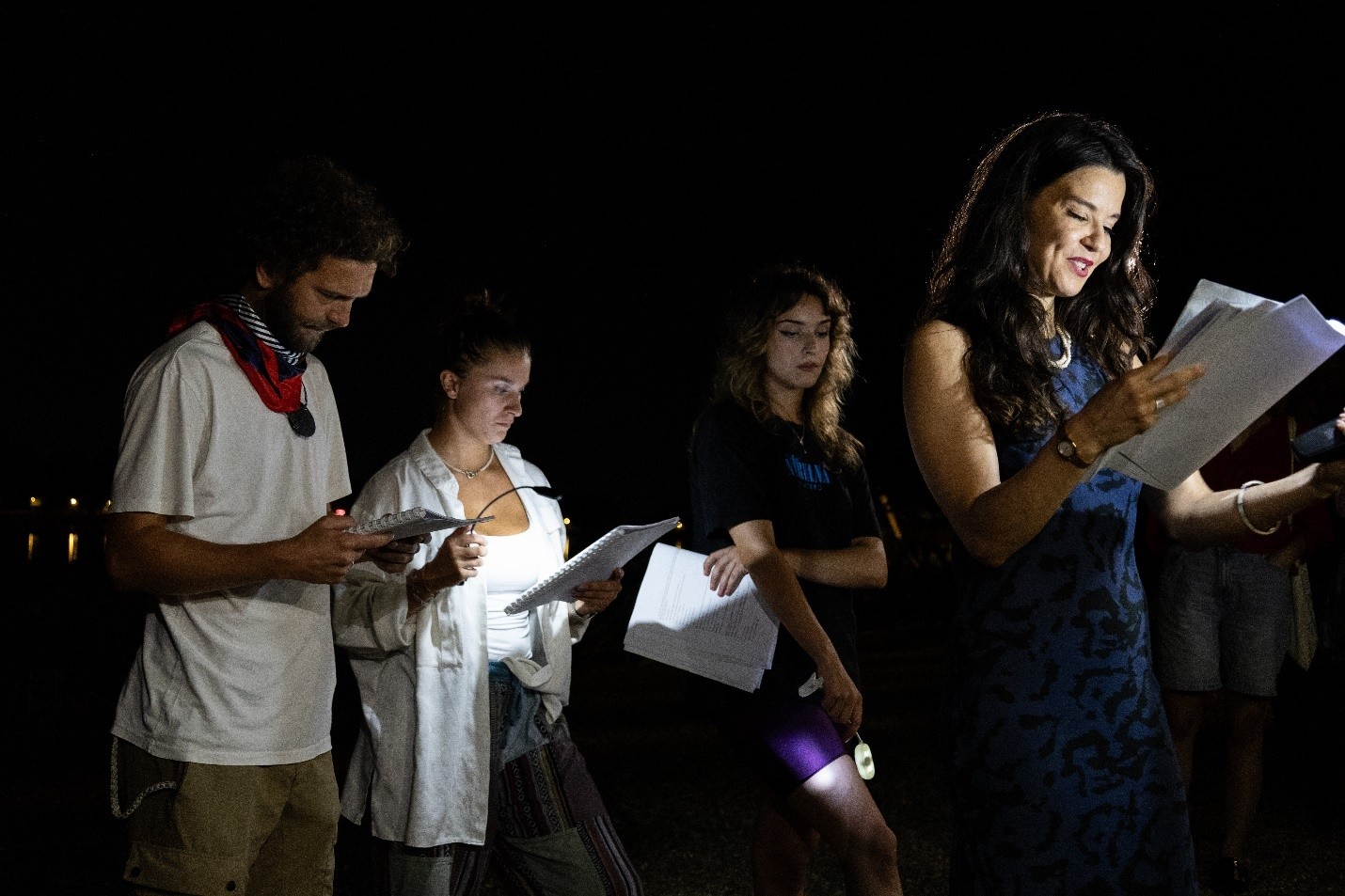
Among the productions selected for the main competition of the festival’s 25th edition was For A Lifetime (Za život cijeli), a co-production by the Sarajevo War Theatre (SARTR) and Theater Factory Sarajevo. Directed by Jasenko Pašić and written by playwright and dramaturg Benjamin Hasić, the play explores questions of belonging, loyalty, masculinity, and collectivity through the lens of football culture. At its core stands FK Željezničar Sarajevo, one of Bosnia and Herzegovina’s most prominent football clubs, whose identity is deeply intertwined with the social and political history of the city in which it was founded in 1921.
After its world premiere on 22 May 2025 at SARTR, the production proved a considerable success, with most performances selling out and subsequent stagings—in Sarajevo and elsewhere—taking place without incident. Yet in Zenica, its appearance at the Festival of Contemporary Bosnian-Herzegovinian Drama triggered controversy and set off a chain reaction of further challenges related to security risks, health issues, and logistical constraints, which ultimately led to its postponement.
The catalyst, remarkably simple if not banal, was the costume design: FK Željezničar jerseys worn by the actors.
When members of Robijaši (engl.: “Prisoners”), the organized supporters’ group of football club NK Čelik Zenica, learned that a competing festival production would feature the colours and symbols of a rival football club, they reportedly threatened festival organizers and theatre management. According to public statements by those involved, the group announced that they would prevent the actors from entering the theatre building should the performance go ahead as planned. Faced with the possibility of confrontation and security risks, festival organizers decided to remove the production from the festival programme.
According to a public statement posted on their Instagram profile, the Robijaši denied all allegations:
“We hereby wish to refute the individual and institutional threats attributed to us and directed at our fellow citizens from the BNP. We will also seek legal remedies against those who are presenting themselves in our name.”
They further added:
“Because of the condemnation, the orchestrated arrangement, and the hypocrisy of all those who support the content of the aforementioned play in Zenica, the Robijaši cannot help but express their absolute satisfaction that the performance will not take place in our city. We wish the SARTR-team success in their work, with less lying and less accusations of our fellow citizens, especially those from the BNP.
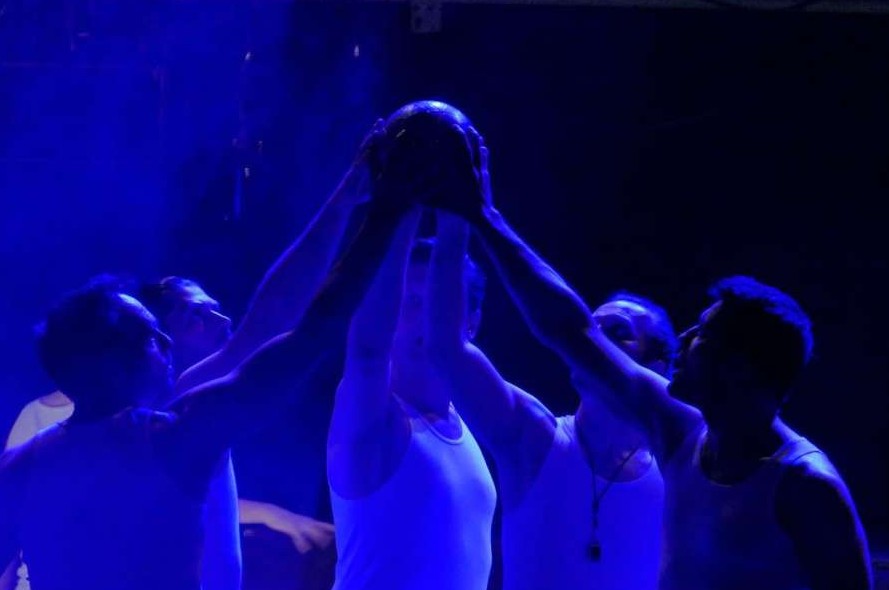
For A Lifetime (Za život cijeli)
A nationwide upheaval
However, the consequences extended far beyond a single cancelled performance. Throughout Bosnia and Herzegovina, the incident sparked significant turmoil within the cultural sector. Leading theatre practitioners, including SARTR artistic director Maja Salkić, alongside artistic directors and theatre managers from Zenica, Tuzla, Sarajevo, Mostar and more condemned the decision about the single cancellation as an act of censorship and questioned whether a public cultural institution could allow its programme to be dictated by external pressure.
In a statement released by the theatre, SARTR stated: “For more than three decades, SARTR has operated on the principles of artistic freedom, dialogue, and responsibility toward society. For that very reason, we believe that any attempt at intimidation, threats, or preventing the staging of performances constitutes a serious attack not only on a single production or institution, but also on the fundamental democratic and civilizational principles of freedom of artistic expression.”
For many, the cancellation of For A Lifetime represented a dangerous precedent. If a production could be removed because actors appeared in the jerseys of a rival football club, what would prevent future interventions based on political, religious, or ideological objections? Director Dino Mustafić urged solidarity within the artistic community, stating: “The moment a play is barred from being performed due to threats, pressure, or security intimidation, the conditions for equal artistic participation among all festival participants no longer exist.”
Soon, calls emerged for the cancellation of the festival as a whole. Supporters of this position argued that proceeding with the event after the removal of one of its selected productions would effectively legitimize censorship. Others, however, questioned whether cancelling the entire festival would amount to a victory for artistic freedom—or simply complete the work already begun by those who had sought to prevent the performance from taking place.
Playwright Benjamin Hasić himself chose not to comment directly on the controversy. Instead, he simply posted a quote from his original author’s note on his Instagram profile: “The play seeks to challenge and break down stereotypes about football supporters.”
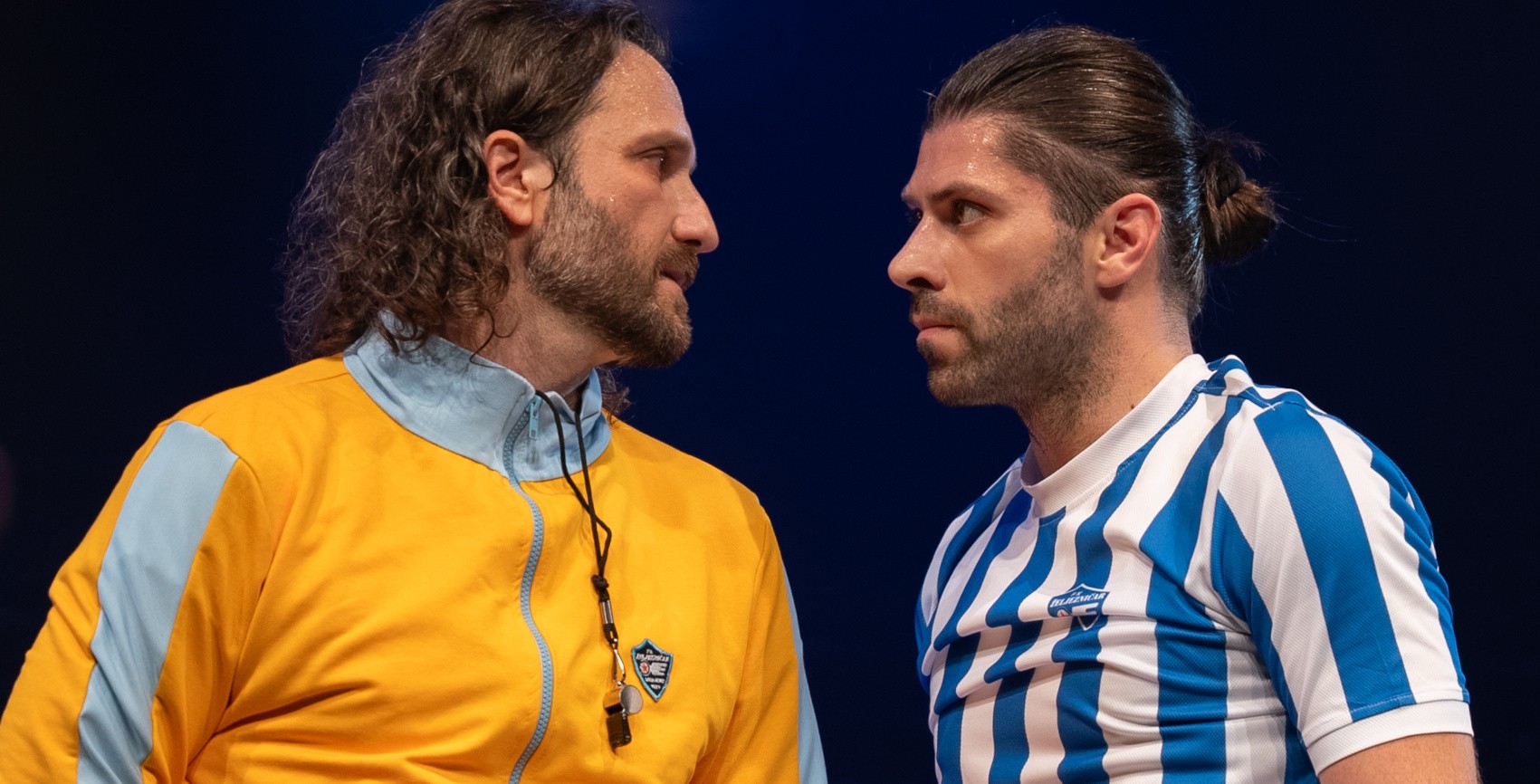
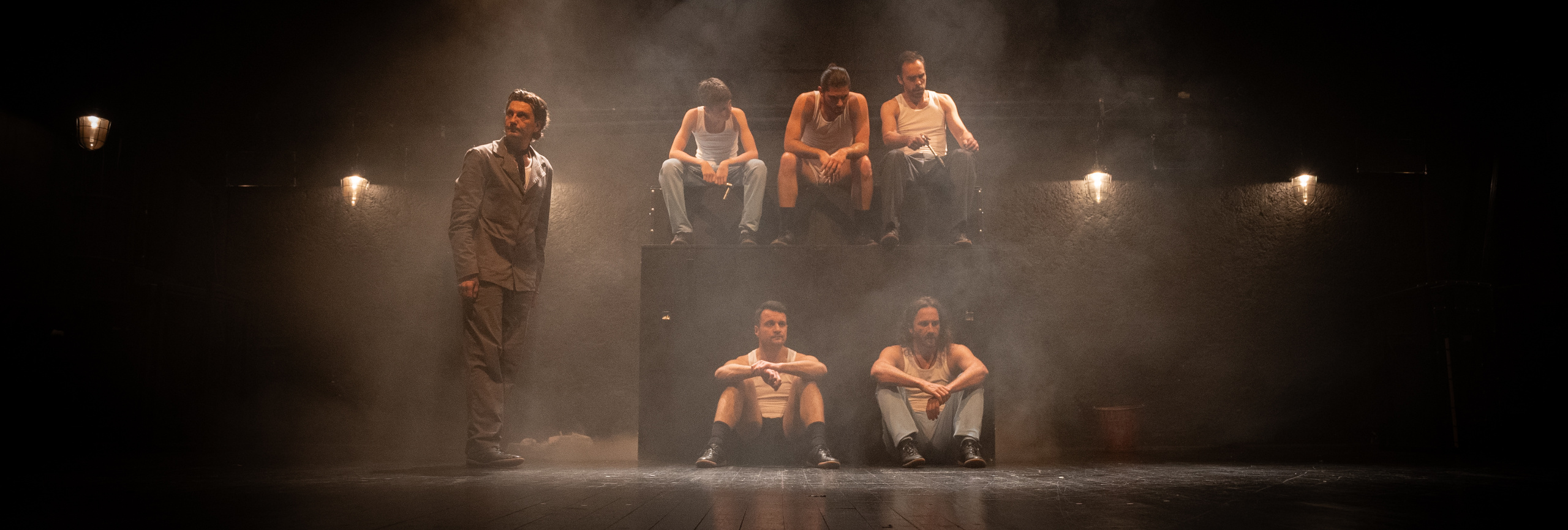
For A Lifetime (Za život cijeli)
A cancellation against censorship
On 18 May, the festival’s Organizing Committee ultimately decided to postpone the 25th edition of the Festival of Contemporary Bosnian-Herzegovinian Drama. Furthermore, the decision was announced during a peaceful gathering held inside the Bosnian National Theatre Zenica, where the official opening ceremony of the festival had been scheduled for 7:55 p.m. Yet the postponement also revealed a troubling paradox. Intended as a stand against censorship, it nevertheless meant the suspension of the very platform it sought to defend. What was meant as an act of resistance therefore raises a complex question: when a festival halts its programme in response to intimidation, does it protect artistic freedom—or does it inadvertently demonstrate how effective such intimidation can be?
One struggle after another
Yet the security crisis in Zenica was not the only challenge facing the festival’s organizers. Behind the decision to postpone the anniversary edition lay an unprecedented series of setbacks that gradually dismantled the competition programme. Of the seven productions originally selected, only three remained available by the end of May, when the event was about to take place originally, raising serious concerns about the viability of the festival itself.
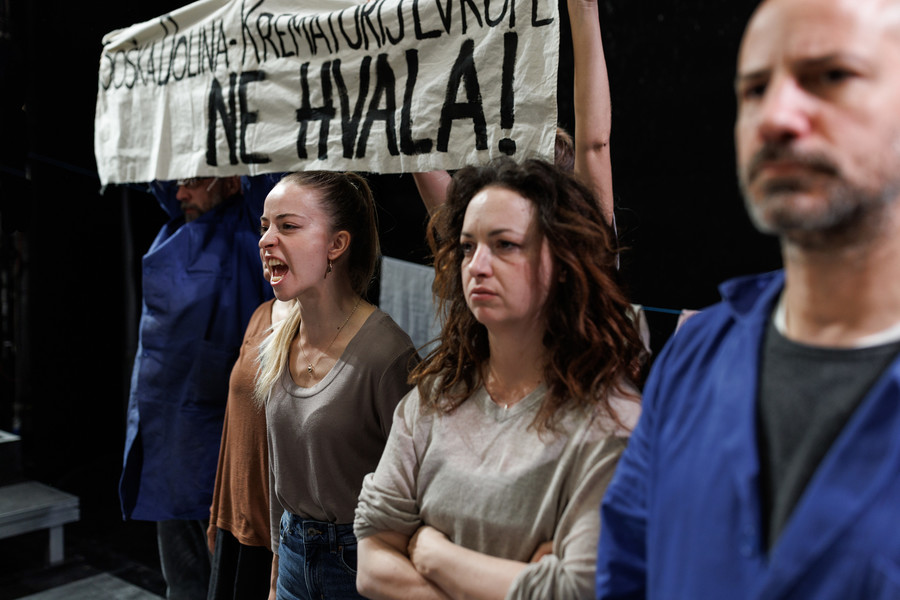
In addition to the withdrawal of For A Lifetime, several other productions dropped out for unrelated reasons. National Theatre Mostar cancelled its festival appearance of The Mayor, or This Is A Play About Mujaga Komadina (Gradonačelnik ili ovo je predstava o Mujagi Komadini) by author Adnan Lugonić and director Dino Mustafić, at short notice due to the deteriorating health of a cast member. National Theatre Sarajevo was unable to present Na slovo F, written by Lejla Kalamujić and directed by Iva Milošević, after losing access to essential stage scenery, while Chamber Theatre 55 had already withdrawn Haris Pašović’s My Soul Loves You (Tebe ljubi duša moja) because scheduling conflicts made participation impossible. Faced with a competition programme reduced from seven productions to just three, organizers argued that postponement was necessary to preserve the integrity and reputation of a festival that has served as Bosnia and Herzegovina’s foremost showcase for contemporary drama for twenty-five years.
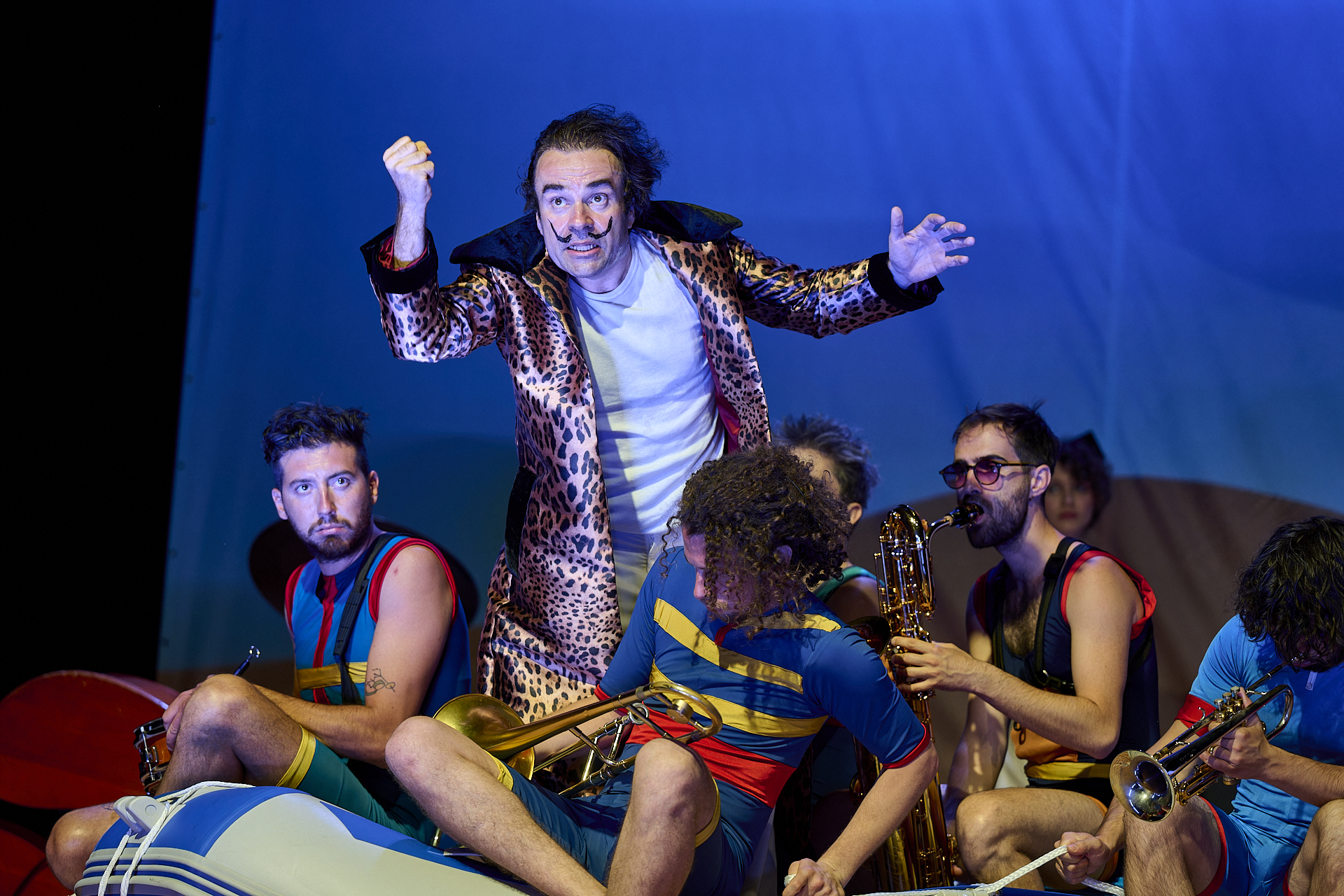
The programme further includes Podroom, based on a text by Armin Behrem and directed by Ajla Bešić, such as Milivoj Mlađenović’s Adonis (Gorocvijet), directed by Ivan Vuković and produced by the Bora Stanković Theatre in Vranje, Serbia, as well as Healing Regime (Režim isceljenja) by Tanja Šljivar, directed by Đorđe Nešović and produced by Atelje 212 in Belgrade, Serbia.
Will September change anything?
The decision to postpone rather than abandon the festival altogether stands as a sign of resilience. Despite the setbacks, the organizers have insisted that the festival will return. The question now is not merely whether the programme will be performed, but whether the lessons of this controversy will lead to stronger protections for the artistic freedom the festival was created to cherish. At stake is the ability of cultural institutions to operate independently and safely, free from external interference. The controversy in Zenica has exposed how vulnerable the arts can be when public institutions are left to navigate security concerns on their own. If theatres are to remain spaces for critical reflection and artistic experimentation, they require not only funding and public support, but also the assurance that artists, audiences, and cultural workers can gather without fear.
Berina Musa is a writer, dramaturg, and critic based in Sarajevo and Freiburg. She studied German linguistics, literary studies, and art history at the University of Freiburg and is currently completing a second degree in dramaturgy at the Academy of Performing Arts in Sarajevo. Her plays and short films have been presented at the Bosnian National Theatre Zenica, MESS, the Sarajevo Film Festival, and the Mostra Internazionale del Nuovo Cinema di Pesaro.